

Keyword Research Tutorial: Find High-Value SEO Keywords
TLDR
- Keyword research is about value, not just search volume
- High-value keywords align with intent, business goals, and conversions
- A structured process helps identify scalable opportunities
- Keyword clustering turns research into a content strategy
- Prioritization is the key to avoiding wasted effort
Introduction
Most keyword research tutorials focus on tools and metrics. They teach you how to find keywords, but not how to choose the right ones. This leads to a common problem. SEO specialists collect hundreds of keywords but struggle to turn them into meaningful results.
The real goal of keyword research is not to build a list. It is to identify opportunities that drive traffic, conversions, and long-term growth. Without a clear decision-making framework, it is easy to waste time on keywords that look good but deliver little value.
This guide takes a different approach. It focuses on how to evaluate keywords, prioritize them, and turn them into a structured content plan. If you want to move beyond basic research and build a scalable SEO strategy, this is where you start.
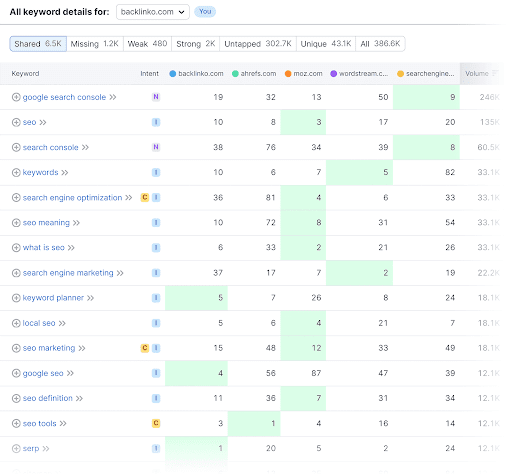
Why Most Keyword Research Fails
Keyword research often fails because it focuses on the wrong metrics. Many SEO professionals prioritize search volume without considering intent or business relevance. This creates a gap between traffic and actual results.
High-volume keywords may attract visitors, but they do not always lead to conversions. In many cases, these keywords are highly competitive and difficult to rank for. Even when rankings improve, the traffic may not match the business goal.
Another issue is ignoring search intent. Google ranks content based on what users expect to see. If your content does not match that expectation, it will struggle to perform. According to Google Search Central, understanding intent is a key part of ranking successfully.
Keyword research also fails when it is disconnected from content strategy. Without a clear plan for how keywords will be used, the research becomes fragmented and ineffective.
What Makes a Keyword High-Value
A high-value keyword is not defined by volume alone. It is defined by its ability to contribute to your business goals.
The first factor is intent. Keywords can be informational, commercial, or transactional. Transactional and commercial keywords often have higher conversion potential because users are closer to making a decision.
The second factor is traffic potential. Some keywords have high search volume but low click-through rates due to ads or SERP features. Data from Ahrefs shows that not all searches result in clicks, which makes click potential more important than raw volume.
The third factor is business relevance. A keyword should directly relate to your services or offerings. If it does not support your business model, it will not generate meaningful results.
The fourth factor is ranking feasibility. You need to evaluate competition and keyword difficulty. Targeting realistic opportunities allows you to gain traction faster and build authority over time.
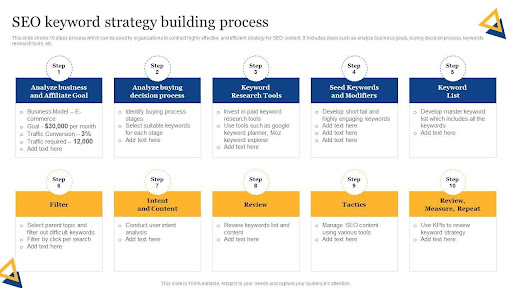
Step-by-Step Keyword Research Process
Step 1 – Start With Seed Topics
Begin with broad topics related to your business, audience, and services. These are not keywords yet. They are starting points.
For example, if you offer SEO services, your seed topics may include keyword research, on-page SEO, and technical SEO.
These topics help define the scope of your research and ensure alignment with business goals.
Step 2 – Expand Keyword Ideas Using Tools
Use tools such as Ahrefs, SEMrush, and Google suggestions to generate keyword ideas.
Focus on:
- Related searches
- Questions users ask
- Variations of core topics
You can also explore our SEO Toolkit to find resources that simplify this process.
The goal is to build a broad list before narrowing it down.
Step 3 – Analyze Search Intent
Search intent is one of the most important factors in keyword research.
Look at the search results for each keyword and identify:
- Type of content ranking
- User expectations
- Content format
If the top results are guides, you should create a guide. If they are product pages, your content should match that format.
This ensures alignment with what Google prioritizes.
Step 4 – Evaluate Keyword Metrics
Metrics help you understand the potential and difficulty of a keyword.
Key metrics include:
- Search volume
- Keyword difficulty
- Cost per click as a value indicator
Do not rely on a single metric. Combine them to get a clearer picture of opportunity.
Step 5 – Identify Competitor Gaps
Analyze your competitors to find opportunities they have missed.
Look for:
- Topics they have not covered
- Weak or outdated content
- Keywords where they rank but do not fully satisfy intent
This approach helps you create content that stands out and performs better.
Step 6 – Cluster Keywords Into Topics
Keyword clustering is essential for scalable SEO.
Group related keywords into clusters based on:
- Topic similarity
- Search intent
- Content type
Instead of targeting one keyword per page, you target a group of related keywords. This improves topical authority and increases ranking potential.
Step 7 – Turn Keywords Into a Content Plan
The final step is turning your keyword clusters into a structured content plan.
Map each cluster to:
- Blog posts
- Service pages
- Landing pages
This creates a clear roadmap for content creation and ensures that every keyword supports a larger strategy.
If you want a ready-to-use structure, download our keyword planning template and start building your content plan immediately.
Keyword Clustering for Scalable SEO
Keyword clustering allows you to move from isolated keywords to a comprehensive content strategy.
Instead of creating separate pages for similar keywords, you group them into a single piece of content. This improves relevance and reduces competition between your own pages.
Clustering also helps build topical authority. When you cover a topic in depth, search engines recognize your website as a reliable source. This leads to better rankings across multiple related keywords.
For advanced understanding, you can explore our Beginner SEO guide to see how clustering fits into a broader strategy.
How to Prioritize Keywords That Drive Results
Prioritization is where most keyword strategies fail.
To prioritize effectively, consider:
- Business impact
- Conversion potential
- Ranking difficulty
- Content effort
A simple framework is to focus on keywords that have high business relevance and moderate competition. These provide the best balance between effort and return.
Avoid spreading your efforts too thin. Focus on a smaller set of high-impact keywords and execute them well.
Common Keyword Research Mistakes
Many SEO professionals make similar mistakes during keyword research.
Common issues include:
- Focusing only on search volume
- Ignoring search intent
- Targeting keywords without business relevance
- Not clustering keywords
- Skipping prioritization
These mistakes lead to wasted effort and slow results. A structured, data-driven approach helps avoid these problems.
FAQ
What is keyword research in SEO?
Keyword research is the process of identifying the search terms people use to find information, products, or services online. It helps you understand user intent and create content that matches those needs. Effective keyword research focuses on value, not just volume, and connects directly to business goals.
How do I find high-value keywords?
High-value keywords are found by analyzing intent, competition, and business relevance. Start with seed topics, expand using tools, and evaluate metrics such as difficulty and click potential. Focus on keywords that align with your goals and have realistic ranking opportunities.
What is keyword intent?
Keyword intent refers to the purpose behind a search query. It can be informational, commercial, or transactional. Understanding intent helps you create content that matches user expectations and improves your chances of ranking and converting traffic.
How many keywords should I target per page?
Instead of targeting a single keyword, focus on a cluster of related keywords. This allows your content to rank for multiple variations and improves overall visibility. A well-optimized page can rank for dozens of related terms.
What tools are best for keyword research?
Popular tools include Ahrefs, SEMrush, and Google Search suggestions. Each tool provides different insights such as keyword difficulty, search volume, and competition. The best approach is to combine multiple tools for a complete analysis.
Conclusion
Keyword research is not about collecting as many keywords as possible. It is about identifying opportunities that drive real results.
When you focus on intent, business relevance, and prioritization, you move from basic research to strategic SEO. This allows you to create content that ranks, converts, and scales over time.
A data-driven approach ensures that every keyword you target contributes to a larger goal. This is what separates average SEO performance from long-term success.
Download Free eBook today and start building a content strategy that delivers measurable results.
“At Optimize With Sanwal, we combine human insight with AI-driven strategies to help businesses grow smarter and faster. You can explore these ideas further in our eBook When AI Becomes the Interface, which shows how content can align with both user needs and AI understanding.”
Disclaimer
All information published on Optimize With Sanwal is provided for general guidance only. Users must obtain every SEO tool, AI tool, or related subscription directly from the official provider’s website. Pricing, regional charges, and subscription variations are determined solely by the respective companies, and Optimize With Sanwal holds no liability for any discrepancies, losses, billing issues, or service-related problems. We do not control or influence pricing in any country. Users are fully responsible for verifying all details from the original source before completing any purchase.
About the Author
I’m Sanwal Zia, an SEO strategist with more than six years of experience helping businesses grow through smart and practical search strategies. I created Optimize With Sanwal to share honest insights, tool breakdowns, and real guidance for anyone looking to improve their digital presence. You can connect with me on YouTube, LinkedIn , Facebook, Instagram , or visit my website to explore more of my work.